


Why the Lexus LFA Remains the Greatest Analog Supercar Ever Built: An Automotive Engineer’s Deep Dive
In the era of instant torque, electric motors, and algorithmic traction management, a quiet crisis is taking place among pure driving enthusiasts: the systematic erosion of mechanical soul. We live in a world where modern hypercars can sprint to 60 mph in under two seconds, yet leave the driver feeling like a passenger in a high-speed video game. That contrast explains why a decades-old Japanese titan—the Lexus LFA—continues to dominate automotive discussions, late-night garage debates, and high-stakes auctions.
Recently, veteran motoring icons and lifelong auto reviewers have reignited the conversation surrounding Lexus’s legendary V10 masterpiece. The sentiment is unanimous: the LFA belongs to a brief, glorious period known as “pre-peak car”—an era when engineering ambition was unconstrained by modern noise restrictions, excessive curb weight, and mandatory electrification.
After spending more than ten years analyzing supercar powertrains and vehicle dynamics, I can tell you that the Lexus LFA isn’t just a car you admire on paper. It is an emotional, visceral experience that stands as the high-water mark of mechanical engineering.
The Birth of a Legend: How Lexus Built an Uncompromising V10 Supercar
To understand why the Lexus LFA occupies such hallowed ground today, you have to appreciate the radical obsession that brought it into existence. When Toyota Motor Corporation set out to build a halo vehicle at the turn of the millennium, they weren’t interested in making a profit. They wanted to prove that Lexus could out-engineer the most prestigious exotic sports car brands in Maranello and Stuttgart.

The development cycle was notoriously long, spanning nearly a decade. Mid-way through the project, chief engineer Haruhiko Tanahashi and master driver Hiromu Naruse made a bold, costly decision: throw out the aluminum architecture and start over with a bespoke carbon-fiber-reinforced polymer (CFRP) monocoque.
This relentless pursuit of perfection delayed the vehicle’s release until 2010 and drove production costs to astronomical levels. Lexus produced only 500 units globally, losing money on every single one sold. However, that uncompromising dedication created a timeless collectible that modern luxury car finance specialists and high-end automotive investors now consider one of the safest automotive investments in the world.
Legendary V10 Performance: The Heart and Soul of an Exotic Supercar
At the core of the LFA’s identity lies its crown jewel: a naturally aspirated 4.8-liter V10 engine, codenamed the 1LR-GUE. Co-developed with Yamaha’s acoustic division, this engine was designed from day one to deliver the acoustic signature and rapid response of a 1990s Formula 1 race car.
+———————————————————————–+
| LEXUS LFA ENGINE SPECS |
+———————————————————————–+
| Engine Type | 4.8-Liter Naturally Aspirated V10 (1LR-GUE) |
| Horsepower | 552 hp @ 8,700 RPM |
| Redline | 9,000 RPM |
| Idle-to-Redline Time | 0.6 Seconds (Requires Digital Tachometer) |
| Exhaust Sound Tuning | Yamaha Music Division Co-Developed Acoustics |
+———————————————————————–+
The engineering metrics behind this powertrain are astounding:
0 to 9,000 RPM in 0.6 Seconds: The engine revs so violently fast that physical analog tachometer needles couldn’t keep up, forcing Lexus to install a full digital driver display—a novelty in 2010 that set a precedent for every modern digital cockpit.
Lightweight Dimensions: Despite packing ten cylinders, the physical footprint of the 1LR-GUE engine is smaller than a traditional V6, and it weighs less than a conventional 3.5-liter V8.
Acoustic Engineering: Yamaha engineers treated the air intake and titanium exhaust system like a musical instrument, installing specialized sound channels that route the induction wail directly into the cabin.
When you drop your foot to the floor in a Lexus LFA, the exhaust doesn’t simply rumble; it shrieks like a wounded apex predator rising to a crescendo. It provides a thrilling emotional rush that no modern plug-in hybrid drivetrain or tri-motor electric vehicle can replicate, no matter how many horsepower it claims on paper.
Analog Soul vs. Digital Speed: Why Modern Drivers Seek Raw Performance
Today’s automotive market offers astonishing numbers. You can walk into a local dealership, secure a competitive auto loan rate, and drive home in an electric sports car that out-accelerates a million-dollar hypercar. But raw acceleration is only a fraction of what makes a vehicle memorable.
In recent years, automotive journalists, collectors, and seasoned enthusiast drivers have expressed a shared fatigue with overly sanitized performance. As manufacturers push toward heavy battery packs, soft-closing doors, and steering systems completely disconnected from road feel, the industry has crossed a threshold.
We have reached “peak car”—a point where vehicles are undeniably faster, yet far less engaging to drive.
The Lexus LFA sits right on the edge of that transition. It delivers the perfect synthesis of advanced lightweight carbon construction and raw, analog feedback. It doesn’t hide behind active lane assistance or heavy regenerative braking. It demands driver presence, offers an intoxicating single-clutch automated manual gearbox that kicks you in the back on upshifts, and rewards precision with an unmatched auditory soundtrack.
Market Value and Collector Status: The Exotic Car Investment Landscape
When the LFA hit the market in 2010 with an original MSRP around $375,000, many critics struggled to rationalize the price tag for a car bearing a Lexus badge. Fast forward to today, and the global automotive market has recognized the LFA for what it truly is: an unrepeatable piece of automotive history.
For auto enthusiasts looking at collector car insurance policies and high-yield auto investments, the Lexus LFA represents the gold standard of modern classics.
+———————————————————————–+
| LEXUS LFA MARKET VALUE TRAJECTORY |
+———————————————————————–+
| 2010 Original MSRP | $375,000 USD |
| 2015 Pre-Owned Range | $350,000 – $420,000 USD |
| 2020 Auction Average | $600,000 – $800,000 USD |
| Present Day Market | $850,000 – $1,500,000+ USD (Nürburgring Edition)|
+———————————————————————–+
Values for pristine, low-mileage examples regularly cross the million-dollar threshold at premier luxury car auctions across the country. Specialized auto insurance providers now categorize the LFA alongside legendary icons like the Ferrari F40, McLaren F1, and Porsche Carrera GT.
Why has the market responded so aggressively? Because collectors realize that major automakers will never build a car like this again. Stricter emissions regulations, sound restrictions, and corporate shifts toward total electrification mean that high-revving, naturally aspirated V10 engines are officially extinct. The LFA is a frozen moment in time—the pinnacle of analog automotive engineering.
Key Features That Defined an Icon
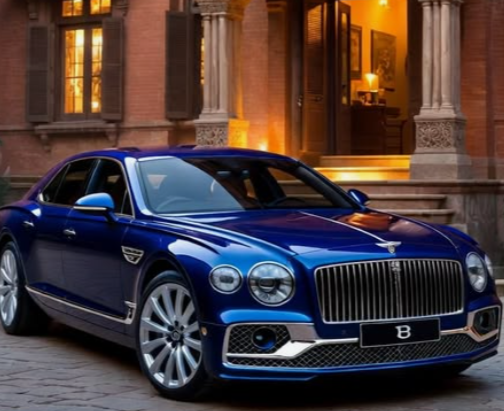
To understand how the LFA earned its legendary status among top-tier performance vehicles, you have to look at the individual engineering details that set it apart:
Bespoke Carbon-Fiber Monocoque: 65% of the body structure is composed of carbon-fiber-reinforced polymer, woven in-house by Toyota’s specialized loom technology to maximize torsional rigidity while keeping weight down.
Balanced Transaxle Layout: By placing the engine behind the front axle line and mounting the 6-speed automated manual transmission at the rear, engineers achieved an ideal 48:52 front-to-rear weight distribution.
Carbon-Ceramic Braking Power: Massive carbon-ceramic brake rotors combined with Brembo monobloc calipers provide fade-free stopping power capable of handling intense track sessions at places like the Nürburgring Nordschleife.
Driver-Centric Ergonomics: The cabin features a sliding central digital gauge pod, minimalist aluminum switchgear, and high-bolstered bucket seats designed to keep the driver locked in place during high-G cornering.
Experience True Automotive Excellence
The Lexus LFA isn’t just an incredible piece of machinery; it is an enduring testament to what happens when master engineers are given a blank check and a mandate to chase perfection. It serves as a reminder that the true soul of an automobile isn’t found in a touchscreen interface or a zero-to-sixty stat sheet—it is forged in the mechanical harmony of fire, steel, air, and exhaust.
Whether you are looking to acquire a world-class exotic car, explore specialized classic auto financing options, or simply find a local luxury service center capable of maintaining high-performance vehicles, taking the next step in your automotive journey requires the right guidance. Connect with our team of automotive specialists today to explore current market listings, consult on collector vehicle valuations, or schedule a personalized consultation with an expert.